
Addressing Period Poverty with Sustainable Hygiene
- Natalie Leslie

- 1 hour ago
- 4 min read
Period poverty affects millions of women and girls worldwide. It not only impacts their physical health but also their social and economic opportunities. The term “period poverty” refers to the inability to access menstrual products due to financial constraints. This issue leads to many negative consequences, including health risks and missed educational opportunities. By addressing period poverty through sustainable hygiene solutions, we can help improve the lives of many.
Solving Period Hygiene Issues
The importance of access to menstrual hygiene products cannot be overstated. These products are essential for managing menstruation safely and effectively. However, many individuals lack access to these items, often leading to the use of unsafe alternatives, which can cause health issues.
Sustainable solutions offer a dual benefit: they help to provide necessary hygienic products while also being environmentally friendly. Reusable menstrual products like reusable period knickers not only reduce waste but are also cost-effective over time.
For instance, reusable period knickers can last several years, providing a significant savings compared to buying disposable products each month. Understanding these alternatives can help women and girls maintain their dignity during their periods while addressing the environmental impact of single-use products.

The Importance of Education
Education plays a crucial role in addressing period poverty. Many young girls are not taught about menstruation until they experience it themselves. Unfortunately, this lack of education can lead to misinformation and shame surrounding periods.
Schools can serve as a critical platform for menstrual health education. Implementing programs that teach both boys and girls about menstruation can help normalize the topic and reduce stigma. This can lead to improved understanding and support among peers.
In addition to school programs, community initiatives focusing on menstrual health can provide essential education. Workshops and discussions can empower women and girls, enabling them to make informed choices about their menstrual hygiene.
What is the Main Cause of Period Poverty?
The primary cause of period poverty stems from a combination of economic and social factors. In many low-income communities, the lack of financial resources means that menstrual products are often a luxury. Other contributing factors include cultural taboos around menstruation, lack of access to education, and insufficient governmental support.
According to a study by the Water Supply and Sanitation Collaborative Council, approximately 500 million women and girls globally lack access to adequate facilities for menstruation management. This statistic highlights the urgent need for society to address these barriers and create an environment where everyone can access necessary hygiene products.

Eco-Friendly Alternatives
When discussing sustainable hygiene solutions, eco-friendly alternatives are essential. Traditional menstruation products, such as pads and tampons, contribute significantly to waste. In fact, it's estimated that a woman uses over 11,000 tampons or pads in her lifetime, resulting in a staggering amount of waste that is often not biodegradable.
Here are some eco-friendly alternatives to consider:
Period Knickers: These are specially designed underwear that can absorb menstrual flow, providing an additional layer of comfort and protection.
Cloth Pads: These pads can be washed and reused, making them a sustainable option. They come in various absorbencies and sizes, catering to individual needs.
Menstrual Cups: Made from medical-grade silicone, menstrual cups are reusable and can last for years. They can hold more fluid than tampons, reducing the need for frequent changes..
Biodegradable Products: If disposables are necessary, look for options that are made from organic materials and are biodegradable, reducing their impact on the environment.
Each of these alternatives can not only help the individual save money but also contribute to environmental sustainability.
Community Initiatives and Support
Various organizations and grassroots movements are making strides in addressing period poverty. By promoting education and awareness about sustainable hygiene products, these initiatives help equip women and girls with the resources they need.
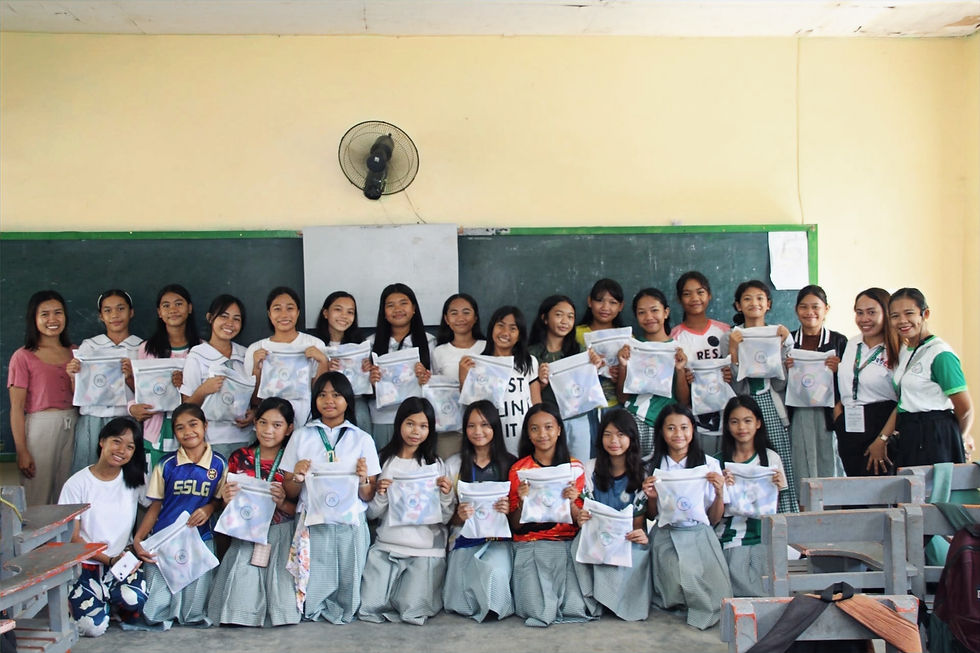
At ByFullstop we donate 1 pair of reusable period knickers for every 4 bought, we then go to schools with low income families (the last 2 years we have been to the Phillipines) and teach them about reusable period knickers. These knickers have a huge impact as the girls can go to school instead of staying at home and using old rags as make shift period pads. Together we can make a difference.
We have also donated to "Freedom 4 Girls" in the UK and are currently working with a new charity "Girl for Girl" working with girls in Kenya.
Another impactful movement is the creation of donation drives for menstrual products. Community members can donate both funds and products to organizations that distribute hygiene kits to those in need, providing immediate support to those struggling with period poverty.
Working collaboratively, individuals can contribute to these initiatives, spreading awareness and reducing the stigma around menstruation. Acts of kindness and community support can bridge the gap for those facing period poverty.
By tackling period poverty through education, sustainable products, and community support, we can foster a future where everyone has access to the menstrual hygiene they deserve.
Taking Action and Moving Forward
Addressing period poverty with sustainable hygiene requires action on multiple fronts. Here are some actionable recommendations for individuals and communities:
Educate Yourself and Others: Learn about the realities of period poverty and share this knowledge within your community. Start conversations about menstruation to reduce stigma.
Support Local Organizations: Donate to or volunteer with organizations that focus on menstrual health. Your efforts can help provide necessary resources to those in need.
Choose Sustainable Products: Transition to reusable menstrual products and educate others on their benefits. Discuss how sustainable options can reduce waste and provide cost savings in the long run.
Advocate for Policy Change: Encourage local policymakers to support initiatives aimed at increasing access to menstrual products in schools and communities. Advocacy for legislation aimed at providing free menstrual products can lead to broader change.
Participate in Community Efforts: Join or create local initiatives to distribute menstrual products or offer educational workshops. Engaging the community can lead to a supportive network that improves access to hygiene products.
Together, by taking these steps, we can create a world where menstrual hygiene is accessible to all, contribute to environmental sustainability, and promote the dignity and well-being of every individual. Addressing period poverty with sustainable hygiene is not just an individual effort; it is a collective responsibility that can lead to positive change for generations to come.


Comments